

A major contribution for the design of new drugs against Parkinson disease
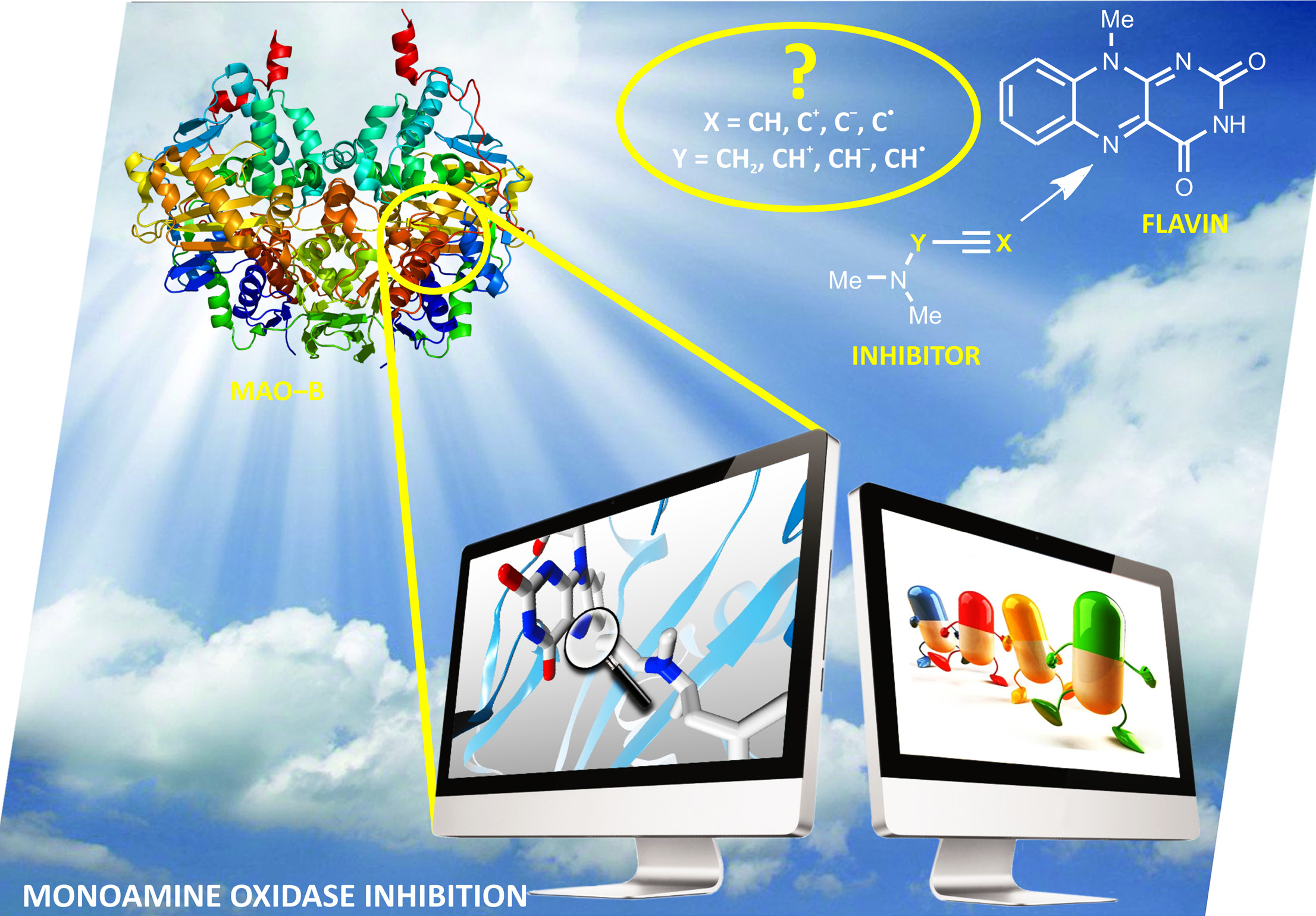
Researchers of Laboratory for Biocomputing and Bioinformatics presented the results of the computer modeling of seven possible mechanisms of monoamine oxidase B inhibition by acetylenic inhibitors. The contribution was selected for the cover page of the European Journal of Organic Chemistry for the first issue of November, 2011. MAO B is an enzyme responsible for the metabolism of monamines, particularly the molecules of neurotransmitters such as dopamine. A severe lack of dopamine in the part of the brain responsible for the control of voluntary coordinated movements and the initiation of motor activity causes Parkinson's disease - the third most common neurological disorder in humans. Therefore, the inhibition of this enzyme is the primary pharmacological weapon in alleviating the systems of this disorder.
Today, this disease affects approximately 7 to 10 million people worldwide and it is assumed that the number could double by 2040. In this paper, for the first time in the literature the exact mechanism of the inhibition of the MOA B enzyme with acetylenic inhibitors is elucidated. Until now, patient treatment involved acetylenic inhibitors such as rasagiline and selegiline, although their use is associated with a variety of undesirable side effects. It is worth mentioning that the estimated market value of drugs for Parkinson's disease in 2009 was more than 4 billion U.S. dollars. This contribution is an essential prerequisite for the design of new and improved antiparkinsonian drugs that will contribute to the cure of this disease.