

Conclusion of the Alps4GreenC project - THE POTENTIAL OF BIOCHAR PRODUCTION AND USE FOR ACHIEVING CLIMATE-ENERGY RESILIENCE
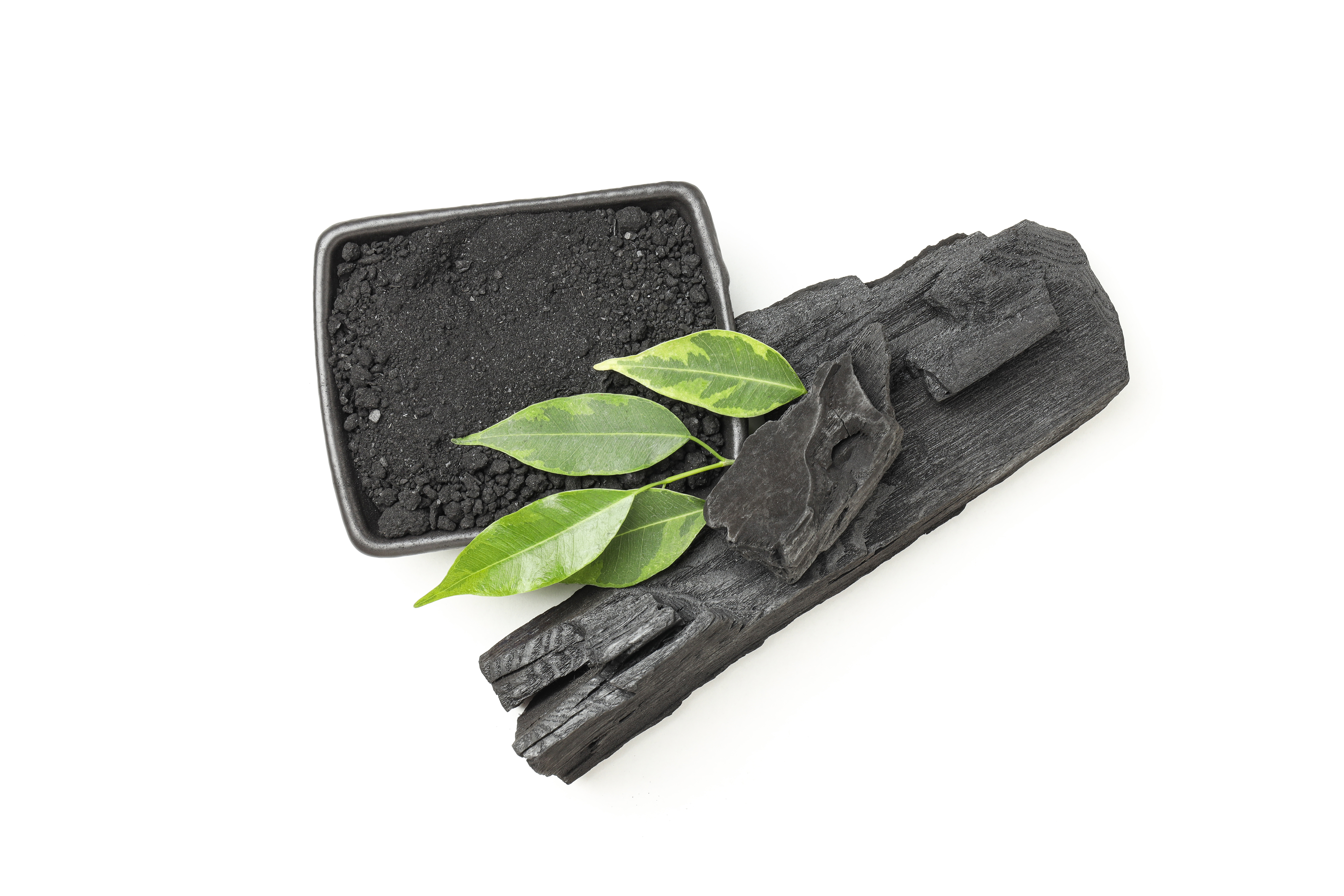
The Alps4GreenC project, which was carried out by project partners from Slovenia, Austria and Italy as part of the Interreg Alpine Space programme, was successfully completed in February 2024. The project was coordinated by the National Institute of Chemistry and conducted in the Department of Catalysis and Chemical Reaction Engineering. The partners successfully established the first transnational biochar value chain in the Alpine region.
The main objective of the project was to demonstrate the potential of green carbon to achieve climate and energy resilience in the region. The partners carried out several activities, including crowdsourcing of biomass residues, laboratory testing, pilot production of biochar and the creation of an interactive map to connect stakeholders in the region.
The Alps4GreenC project focussed on the use of biomass residues as a raw material source for biochar production. A crowdsourcing campaign for solid biomass residues was organised in all three countries to carry out laboratory and pilot studies. 22 organisations responded to the call. Based on the identified properties of the biomass residues, the project partners, the Free University of Bozen-Bolzano (UNIBZ) and the Austrian company BEST GmbH, selected ten types of biomass residues to be tested and characterised in the laboratory. Two types were thermochemically converted into biochar using a technological process of gasification or pyrolysis.
UNIBZ has piloted the production of biochar from bark beetle-damaged wood from conifers using the gasification process. BEST GmbH has piloted the production of biochar from walnut shell residues using pyrolysis. In the final phase of the research work, the Department of Catalysis and Chemical Reaction Engineering at the National Institute of Chemistry analysed the biochar produced, which provided an assessment of the potential for the use of green biochar in agriculture.
The analyses confirmed the suitability for the production of biochar from selected biomass residues: walnut shells; bran-starch; compost screenings; spelt husks; vine prunings; wood chips from broadleaf forestry sites; chestnut wood without tannins; wood affected by bark beetle; coffee chaffs; river woody debris. The results of the analyses of the green carbon produced are published in an open access repository[1] and a detailed report and the results of the analyses are made publicly available to all participating organisations.
Alps4GreenC project developed an interactive map to categorize economic activities related to biomass residue supply chains across Interreg Alpine Space countries and Europe. This comprehensive methodology utilized statistical data from Eurostat to identify and weigh relevant companies and economic activities. Stakeholders in the supply chain were recognized, facilitating the classification of economic activities at national and regional levels. The project is mapped on the BioRural Toolkit, an online platform developed as part of the Horizon Europe project Biorural, which connects bioeconomy stakeholders across Europe.
The project also provided policy recommendations for the development of measures for the sustainable production and use of biochar in the Alpine region. The Slovenian Ministry of Agriculture, Forestry and Food, among others, expressed its support for the efforts.
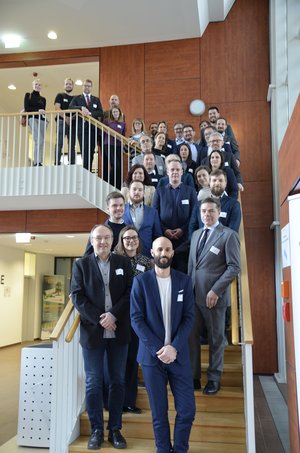
In January 2024, the project partners held a final conference in Wieselburg (Austria), at which the Slovenian Ambassador to Austria, Aleksander Geržina, spoke about the importance of regional cooperation in circular economy initiatives and the development of green technologies.
Biochar can be used for soil improvement in agriculture as its structure provides a habitat for beneficial microorganisms in the soil, its alkalinity neutralises acidic soils, retains water and nitrogen and releases them back into the environment, which is good for soil fertility and reduces the use of chemical fertilisers. Biochar is produced by two thermochemical processes of biomass treatment - pyrolysis and gasification. Biochar mitigates climate change by storing carbon in a stable form. In fact, the production of biochar only accounts for up to 50% of the CO₂ emissions produced by burning or naturally decomposing biomass.
Contact: petra.props(at)ki.si
More information:https://www.alpine-space.eu/project/alps4greenc/

[1]https://lookerstudio.google.com/reporting/80049d83-4c8b-42e8-a611-23470b28f24f/page/p_kls693dsed