CTGCT Day 2026 Brings Together Europe's Cell and Gene Therapy Research Community in Ljubljana
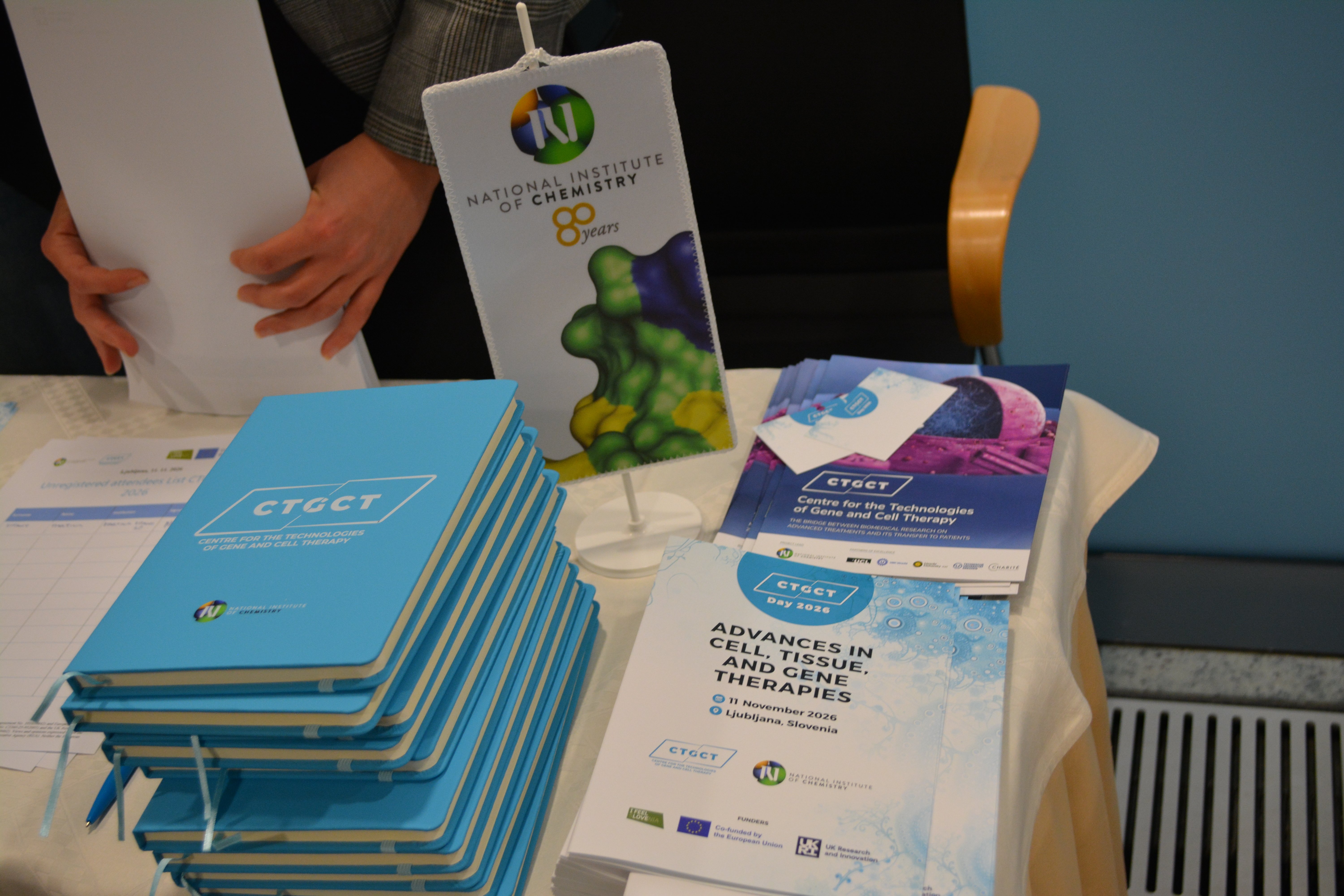
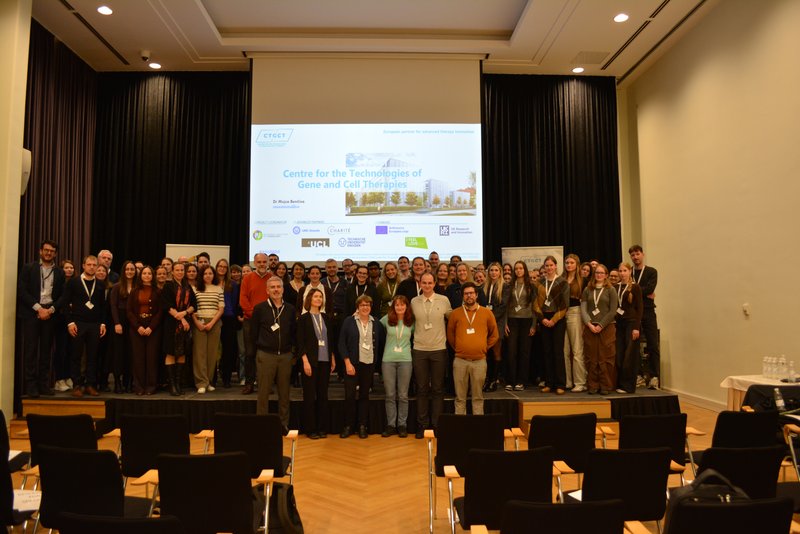
CTGCT Day 2026 brought together 156 researchers, clinicians, biotechnology specialists and other participants from more than ten countries at Grand Hotel Union in Ljubljana. Featuring 16 scientific presentations and 18 posters, the event provided an opportunity to exchange knowledge, present the latest research advances and strengthen international collaboration in the rapidly evolving field of cell and gene therapies.
Organised by the Centre for Technologies of Gene and Cell Therapy (CTGCT), the conference addressed a broad range of topics, including immune engineering, viral and non-viral gene delivery, stem cell technologies, disease modelling and advanced therapy manufacturing. A central theme throughout the event was translational research – bridging the gap between scientific discoveries in the laboratory and therapies that could ultimately benefit patients.
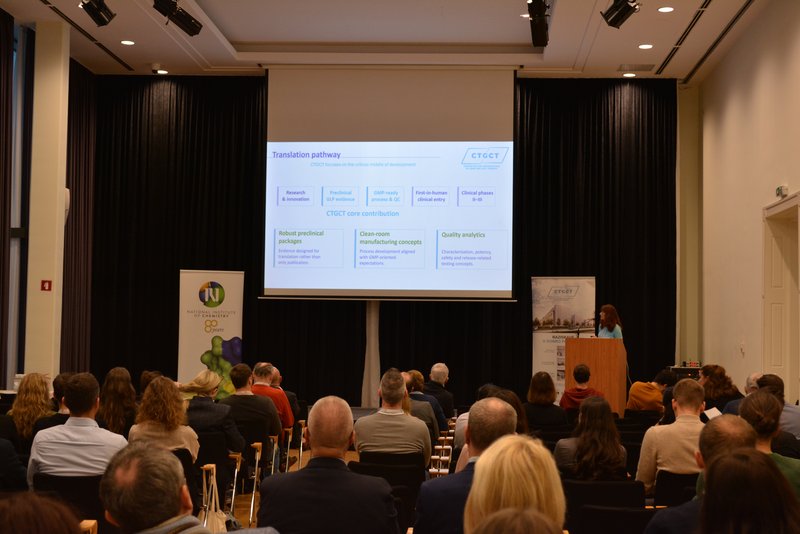
The conference was opened by Dr Mojca Benčina, Head of CTGCT, who welcomed participants and introduced the scientific programme.
From Fundamental Research to Clinical Applications
The scientific programme opened with Zsolt Sebestyen from University Medical Center Utrecht, who presented biomimetic approaches to immune receptor-based drug development, including the potential of gamma delta T-cell receptors for developing new CAR T-cell therapies.
Massimo Dominici from the University of Modena and Reggio Emilia presented advances in engineering cellular therapies for difficult-to-treat pancreatic solid tumours. He highlighted new approaches aimed at translating laboratory discoveries into clinical applications.
Jan Procházka from the Czech Centre for Phenogenomics demonstrated how comprehensive phenotypic characterisation connects disease mechanisms with therapeutic outcomes. He also emphasised the importance of advanced mouse models in translational research.
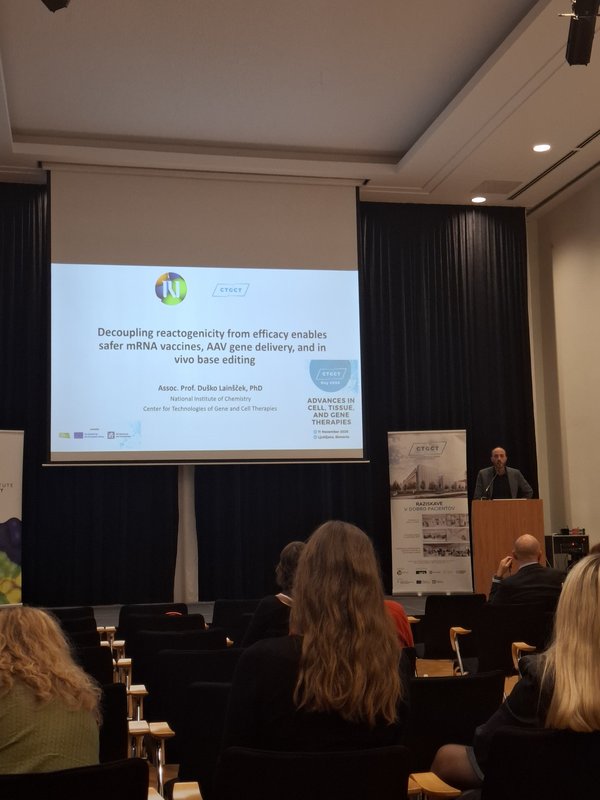
Researchers from the National Institute of Chemistry also made significant contributions to the scientific programme. Dr Petra Sušjan Leite presented RNA-based therapeutic strategies for CTNNB1 haploinsufficiency, while Dr Duško Lainšček discussed approaches to reducing inflammatory responses to nucleic acid therapeutics while preserving their therapeutic efficacy.
In the final scientific session, Sebastian Diecke from the Max Delbrück Center for Molecular Medicine presented applications of pluripotent stem cells, automation and disease modelling. His lecture also explored unexpected connections between stem cell technologies, conservation biology and art, demonstrating how the potential applications of these technologies are expanding beyond traditional biomedical research.
The event also welcomed a group of teenage girls participating in the Girls in STEM initiative, who had the opportunity to experience advanced biomedical research first-hand and engage with scientists developing innovative therapies.
Connecting Researchers, Industry and Patient Organisations
The poster session featured 18 research contributions, encouraging scientific discussions and networking throughout the day. Among them was a presentation by the Viljem Julijan Association for Children with Rare Diseases, outlining the development of an AAV-based gene therapy programme for Cockayne syndrome type B. The contribution highlighted the increasingly important role of patient organisations in supporting and accelerating rare-disease research.
CTGCT members also presented three posters showcasing their ongoing research activities.
The programme included contributions from EATRIS, the National Institute of Biology, the University of Maribor, Sartorius BIA Separations, Masaryk University, Bio-ReCell and other academic and industrial organisations. Their presentations addressed advances in gene delivery technologies, disease modelling, advanced therapy manufacturing and the challenges of translating innovative treatments into clinical practice.
CTGCT Day 2026 highlighted the importance of international and interdisciplinary collaboration in advancing cell and gene therapies. By bringing together researchers, clinicians, industry representatives, early-career scientists and patient advocates, the event encouraged the exchange of expertise and created new opportunities for collaboration.
Following this year's successful event, the organisers look forward to continuing the exchange of knowledge and experience at future editions of CTGCT Day.