

Potential of using biomass residues to produce green biochar
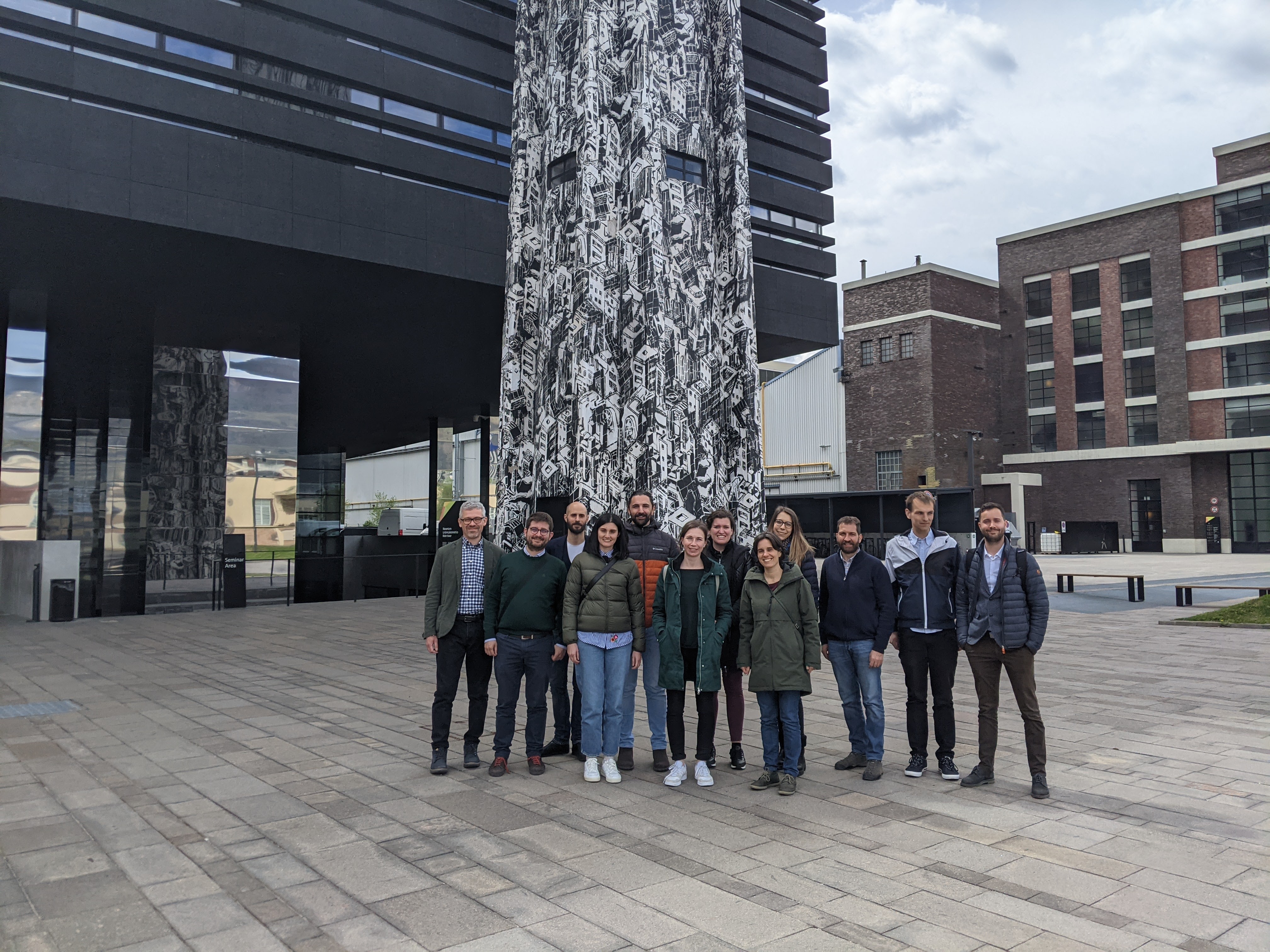
On 14 April 2023, a meeting of the Alps4GreenC project took place in Bolzano at the Italian partner UNIBZ. Partners from Slovenia, Austria and Italy implement the project within the Interreg Alpine Space Programme and focus on creating a comprehensive framework for the use of biomass residues for biochar production in the interregional space. The project is coordinated by the National Institute of Chemistry.
Biochar can be used for soil improvement in agriculture as its structure provides a habitat for beneficial microorganisms in the soil, its alkalinity neutralises acidic soils, retains water and nitrogen and releases them back into the environment, which is good for soil fertility and reduces the use of chemical fertilisers. Biochar is produced by two thermochemical processes of biomass treatment - pyrolysis and gasification. Biochar mitigates climate change by storing carbon in a stable form. In fact, the production of biochar only accounts for up to 50% of the CO₂ emissions produced by burning or naturally decomposing biomass. The Alps4GreenC uses biomass residues as a raw material source for biochar production. In order to carry out laboratory and pilot studies, a crowdsourcing campaign was conducted in all three countries to collect solid biomass residues from producers that would like to valorize the residues. A total of 22 organisations responded to the call, ten from Italy, eight from Austria and four from Slovenia. Based on the identified characteristics of the biomass residues UNIBZ and BEST GmbH selected the raw materials suitable for the pyrolysis or gasification processes of biochar. The selected Slovenian companies were Atlantic Droga Kolinska d.o.o., which wants to valorize coffee husk residues from the production of Barcaffe coffee, and Dravske elektrarne Maribor d.o.o., which wants to valorize floated wood. Other selected biomasses include vine residues, walnut shells, wood chips from broadleaved trees, coniferous wood attacked by bark beetles, chestnut wood, spelt husks, wood residues from compost and starch residues from flakes.
The research will continue with the characterisation of the biomass residues, their pyrolysis or gasification and, in the final phase, the analysis of the resulting biochar, which will be carried out by the Department of Catalysis and Chemical Reaction Engineering. This will allow an assessment of the potential for the use of green biochar in agriculture. In parallel AIEL will also map the various stakeholders working in the field of biochar in all three countries, on an interactive web platform to enable them to network and share knowledge and best practises. At the same time, the ŠGZ will coordinate a working group of experts to develop recommendations for appropriate measures for the production and use of biochar.
To this end, the project will also organise workshops to develop policy recommendations for sustainable biochar production in the Alpine region.
Online link: https://www.alpine-space.eu/project/alps4greenc/
Contact person: petra.props(at)ki.si