

Pregl colloquium: Prof. Dr. Paolo Falcaro
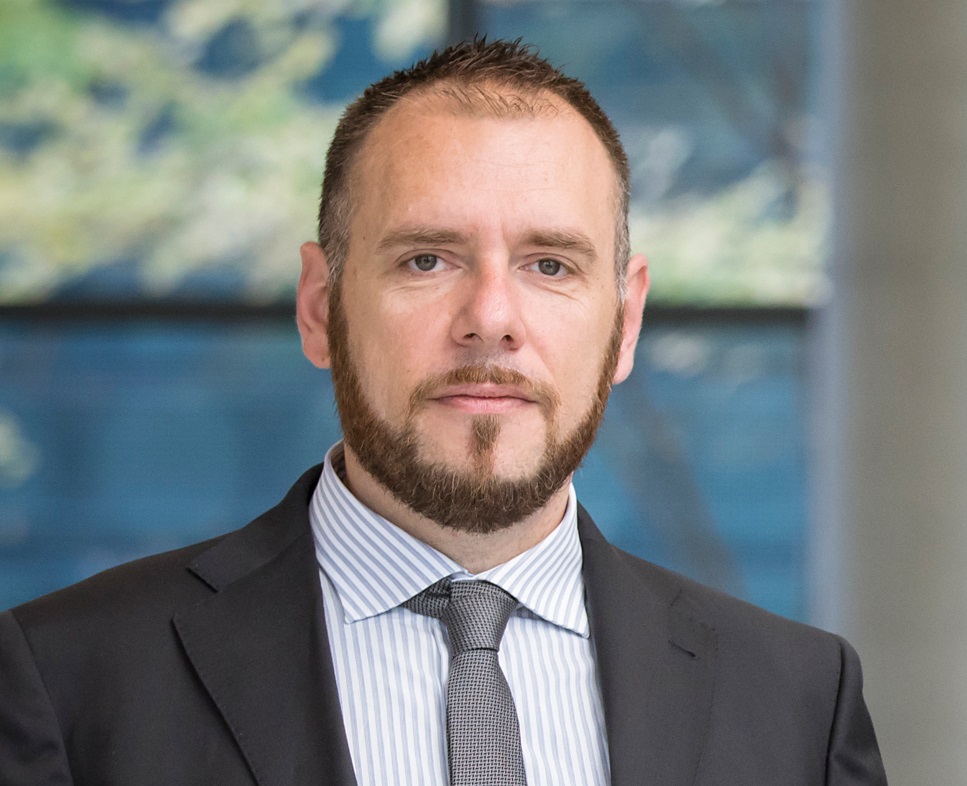
Prof. Dr. Paolo Falcaro
Graz University of Technology,
Institute of Physical and Theoretical Chemistry,
Graz, AUSTRIA
Email: paolo.falcaro(at)tugraz.at
Četrtek / Thursday 20. 12. 2018, ob / at 13:00
Velika predavalnica Kemijskega inštituta / Great Lecture Hall, National Institute of Chemistry;
Hajdrihova 19, Ljubljana, Slovenia
Title of the talk: Engineering Metal-Organic Frameworks
Metal organic frameworks (MOFs) are a class of ultra-porous materials synthesized by coordinating inorganic nodes with organic ligands. The obtained self-assembled crystals have exceptionally high accessible surface area and narrow pore distribution. MOFs are promising materials for a variety of functional applications including sensing, microelectronics, energy production, microfluidics and biotechnology (Figure 1). However, the practical application of a MOF-based technology requires synthetic protocols for the controlled functionalization of these porous crystals and their integration with suitable multifunctional and biological platforms. In this presentation, we will disclose the role of different seeds that can trigger the self-assembly of MOFs. In particular we will focus on our recent progress in the preparation of MOF composites, including MOF bio-composites, and the positioning of MOF crystals using ceramic materials and inorganic precursors.
info: prof. dr. Gregor Maligregor.mali(at)ki.si