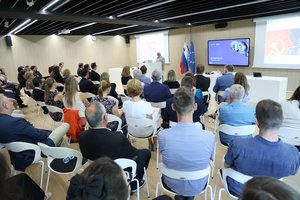
Signing of Memorandum Strengthens Strategic Collaboration between Partner Institutes and Lek
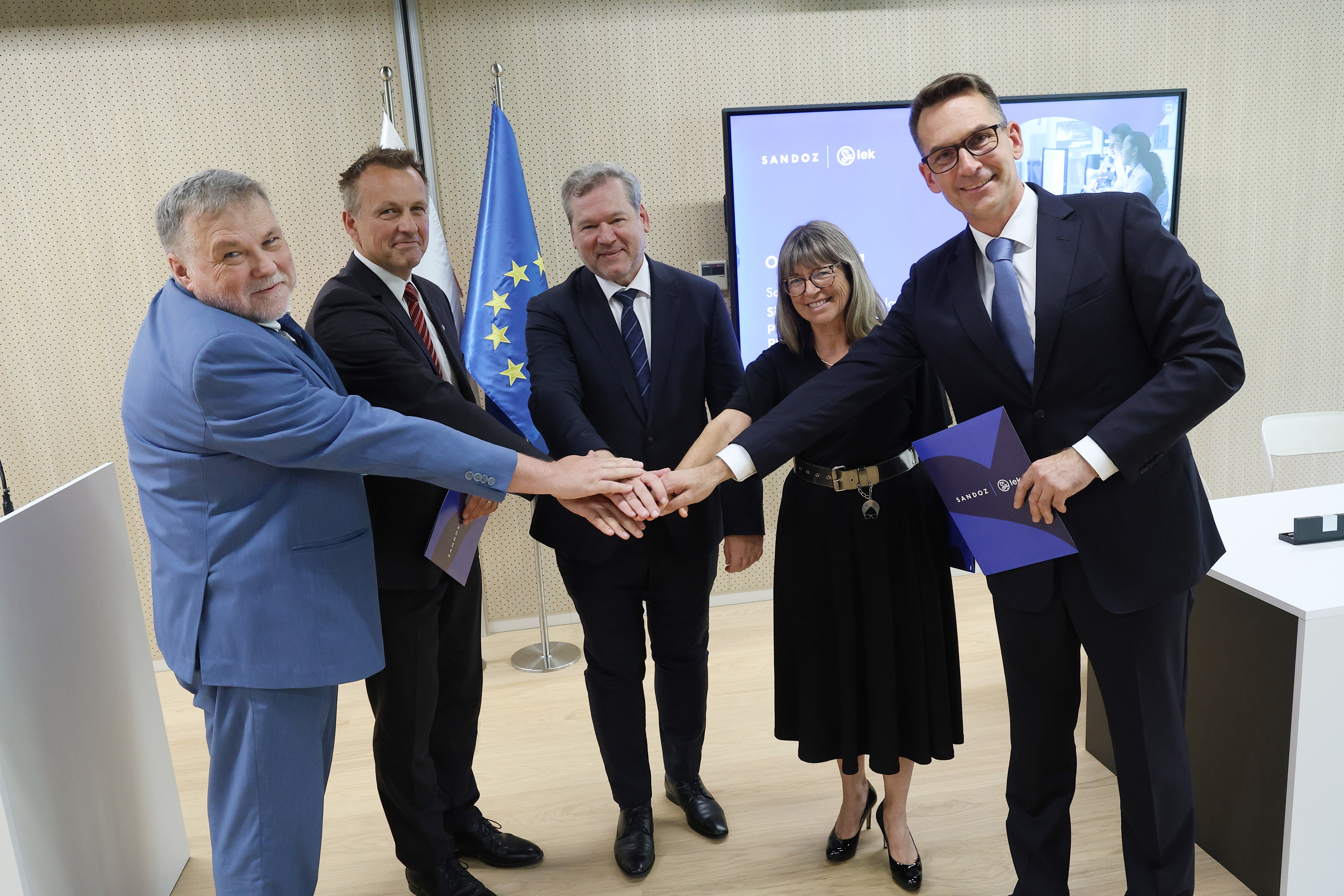
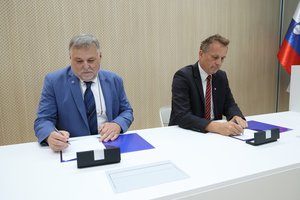
The National Institute of Chemistry, together with the Jožef Stefan Institute, the National Institute of Biology, and Lek, a Sandoz Group member, has signed a memorandum of collaboration to strengthen the strategic partnership between the pharmaceutical industry and the research and development environment in Slovenia. The purpose of this collaboration is to accelerate the transfer of scientific knowledge into practice, foster innovation, and enhance the global competitiveness of the Slovenian research space.
Prof. Dr. Gregor Anderluh, Director of the National Institute of Chemistry, emphasized:
“The signing of this memorandum represents our shared commitment to co-creating a healthier future. When science and industry join forces, we open new pathways, accelerate breakthroughs, and strengthen Slovenia’s reputation as a country of knowledge and innovation. I believe this partnership will speed up knowledge transfer into practice, boost competitiveness and global recognition, and most importantly, deliver innovative solutions that contribute to better health and higher quality of life.”
Prof. Dr. Leon Cizelj, Acting Director of the Jožef Stefan Institute, stated:
“The Jožef Stefan Institute has been a long-standing partner of Lek, and together we have built many success stories. In the future, we aim to collaborate even more closely. With our expertise and state-of-the-art research infrastructure, we wish to decisively contribute to Lek’s key R&D projects. I see the signing of this memorandum as a commitment to channel our combined scientific potential into breakthrough innovations that drive the development of Slovenia and society as a whole.”
Prof. Dr. Maja Ravnikar, Director of the National Institute of Biology, added:
“Our collaboration with Lek has been ongoing for decades. It presents us with high-tech challenges, which we tackle in interdisciplinary teams, applying high standards of quality that allow us to move from hypothesis to prototype, from the laboratory to society. This is why collaboration between science and industry is crucial for a responsible future. Results of NIB’s research are also realized through two high-tech companies, Biosistemika and Niba Labs. Together we contribute to the development of biotechnology in Slovenia and worldwide.”
Gregor Makuc, CEO of Lek and President of Sandoz Slovenia, remarked:
“Collaboration between science and industry is one of the key conditions for the long-term advancement of the pharmaceutical industry and, with it, society as a whole. Working with top research institutions allows us to more quickly and effectively translate research into tangible solutions for patients. At Lek, we have been building an ecosystem that fosters knowledge sharing and circulation for many years. Today’s signing of the memorandum marks another important step in our joint efforts toward a strong, innovative, and connected Slovenia.”
With the signing of the memorandum, the partner institutes and Lek reaffirm their commitment to long-term cooperation based on mutual trust, knowledge exchange, and the creation of innovative solutions for patients worldwide.
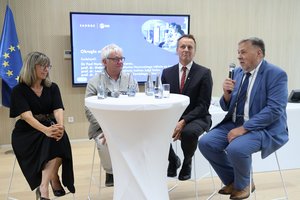
The event also featured a roundtable discussion with Nobel Laureate Sir Paul Nurse, Prof. Dr. Maja Ravnikar, Prof. Dr. Leon Cizelj, and Prof. Dr. Gregor Anderluh. The speakers agreed that cooperation between research institutions and industry is a key driver of innovation, a faster transfer of knowledge into practice, and the strengthening of Slovenia’s position in the global scientific and technological arena.
The importance of close collaboration between science and industry was further highlighted in Sir Paul Nurse’s lecture, in which he spoke about how science has transformed our understanding of ourselves and the natural world, becoming a driving force of human civilization. He stressed that scientific knowledge not only shapes new technologies and ways of life but also transcends national borders and creates solutions that transform society as a whole.