New ERC project to improve the efficacy, safety and sustainability of therapies for genetic diseases

Dr Tina Lebar, a researcher in the field of molecular biology, was successful with her "EditYR" project at the European Research Council (ERC) Starting Grant". She impressed the committee with her innovative scientific proposal to improve molecular tools for genetic diseases and received funding of 1.5 million euros for her five-year project. This is the fifth ERC research project for the National Institute of Chemistry, which will host the project. The Institute also has two ERC-PoC projects evaluating innovation potential.
The project entitled "EditYR" will focus on the development of molecular tools that target safe genomic sites using high-throughput experimental methods. The aim of the project is to develop genome editing technologies that go beyond the limits of current tools. The research aims to increase the efficacy, safety and durability of therapies for the treatment of genetic diseases.
Commenting on the news of the ERC project award, the project leader, Dr Tina Lebar, said: "The ERC Starting Grant will help me to launch my own career. I am happy that I can do this at home, in Slovenia, and with the support of such an excellent research organisation as the National Institute of Chemistry."
More about the "EditYR" project
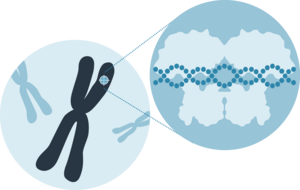
Gene therapies aim to cure diseases caused by abnormalities in genetic material in a durable, safe, and efficient manner. Disorders caused by various mutations in genes can be treated via precise integration of a »healthy« gene copy at carefully selected, safe genomic locations. Current technologies that can target specific genomic loci are limited by poor efficiency of manipulating long segments of genetic material, making them inapproprate for treatment of diseases caused by mutations in large genes.
Site-specific tyrosine recombinases are small enzymes, found in various organisms across all domains of life, and their natural function is highly efficient rearrangement of long sequences of the genetic blueprint. They represent excellent tools for research and therapeutic purposes; however, engineering these tools for targeting new genomic locations is challenging. The project ambitiously aims to enhance the programmability of these molecular tools by using advanced, high-throughput methods of large scale DNA synthesis and sequencing. Designed enzymes will be used for precise targeting of safe genomic locations in therapeutically relevant cell types and insertion of large genes, linked to genetic disorders such as hemophilia, cystic fibrosis or Duchenne muscular dystrophy. The goal of the project is to establish tyrosine recombinases as advanced tools for genome editingand elevate the capabilities of gene therapies.