

Professor Gregor Anderluh to Continue as Director of the National Institute of Chemistry
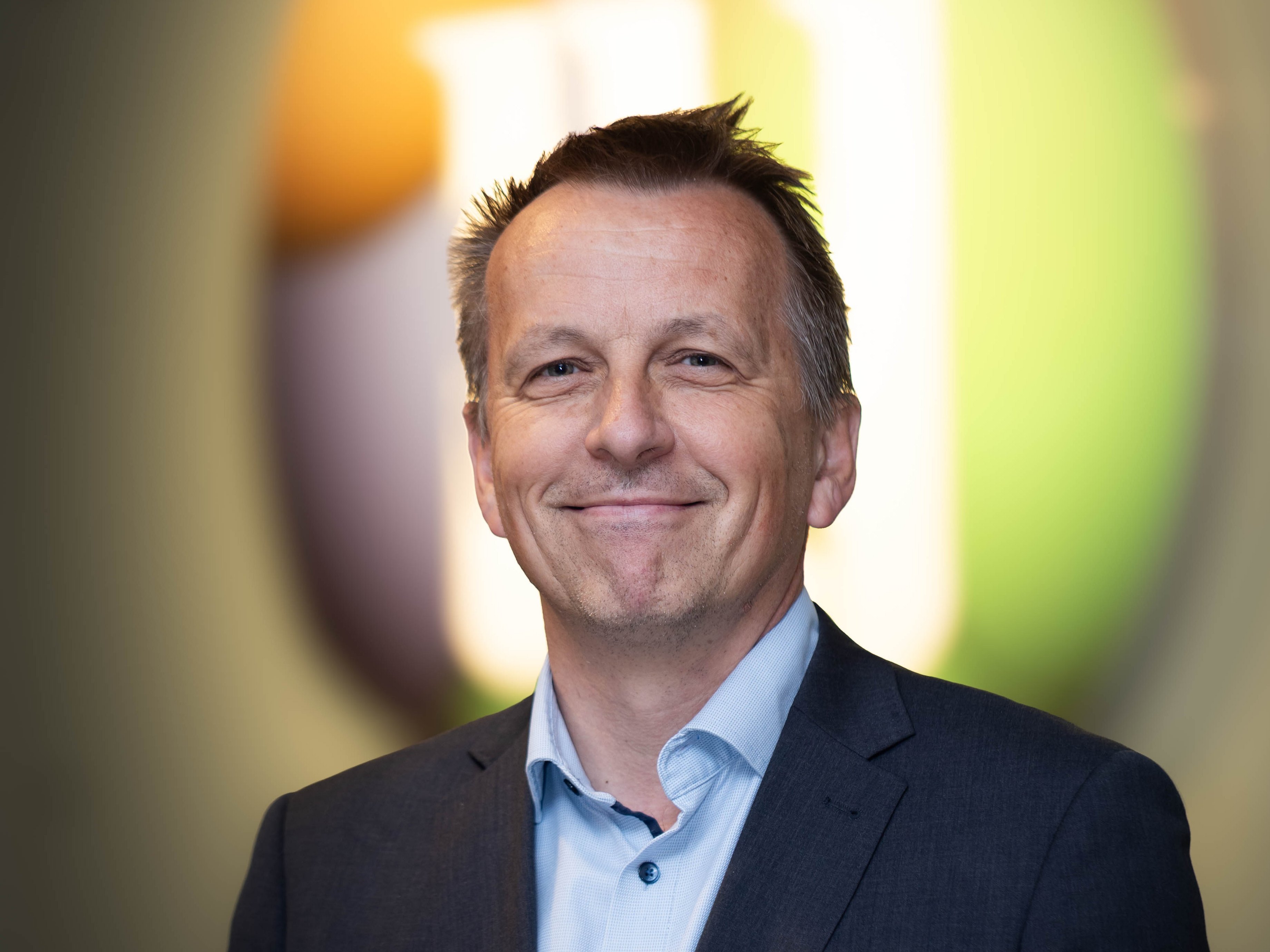
The Board of Governors of the National Institute of Chemistry has confirmed a new, third term for the current director, Professor Gregor Anderluh. When he began his first term in November 2015, Anderluh identified scientific excellence, state-of-the-art research infrastructure, and support for young researchers as his main priorities. After ten years at the helm of the institute, he believes that significant progress has been made in all these areas, and he intends to continue along the same strategic path.
“In the new term, our priorities will include completing the ongoing investment projects, strengthening cooperation with industry, and enhancing knowledge transfer to the economy. We will also focus on supporting promising young researchers who will shape the development of the future research and innovation landscape in Slovenia and beyond. I will strive to provide our excellent research community with the most stimulating working environment possible,” said Prof. Dr. Gregor Anderluh.
“The Board of Governors has confidently confirmed Professor Anderluh’s new term, convinced that his experience and vision will ensure the continued successful development of the Institute. Our strategy remains focused on investments in new facilities and research capabilities that will enable top achievements in areas key to health, sustainable development, and the transition to a low-carbon society. We are confident that the Institute will continue to play an essential role in connecting science and industry, serving as a driving force of innovation in Slovenia,” added Dr. Aleš Mihelič, Chair of the Board of Governors of the National Institute of Chemistry.
Strategic Focus on Investment in New Facilities and Research Capabilities
The National Institute of Chemistry, which will celebrate its 80th anniversary in 2026, is one of the largest and most dynamic scientific research institutions in Slovenia, employing nearly 500 people. In the coming years, the Institute will focus on developing and establishing new research infrastructure and strengthening its research capacities in areas essential to health, sustainable development, and the transition to a low-carbon society. This includes fundamental research in life sciences with a focus on biomedical applications, as well as the development of battery systems, hydrogen technologies, and carbon capture and storage solutions.
In the months and years ahead, the Institute will be actively involved in launching the Centre for Development, Demonstration and Training for Carbon-Free Technologies in Kisovec, constructing the Centre for Gene and Cell Therapy Technologies in Ljubljana, and establishing the Biomass Biorefining Laboratory in Velenje. These initiatives will provide cutting-edge research facilities and help address the long-standing spatial challenges faced by the Institute.
“At the same time, our researchers are already preparing new projects,” added Anderluh, “as staying competitive requires following emerging scientific and innovation trends and remaining open to new research opportunities.”
Connecting Science and Industry – a Key to Long-Term Development
Anderluh emphasized that collaboration with industry is essential for transferring knowledge into society:
“By fostering long-term partnerships between science and industry, we are building an environment where scientific excellence is intertwined with innovation, responsibility, and a commitment to social progress. Such cooperation enables the translation of scientific discoveries into practice and supports the creation of new technologies, materials, and processes that bring added value, encourage innovative entrepreneurship, and create new jobs.”
“We aim to promote the application of advanced technologies and knowledge transfer from laboratories to practice through research activities in the new centres and in collaboration with companies. Through our entrepreneurship programme, we also support researchers in turning innovative ideas into successful high-risk, deep-tech innovation projects,” Anderluh concluded.
About Professor Gregor Anderluh
Professor Gregor Anderluh, PhD in Biological Sciences, has been part of the National Institute of Chemistry since 2011, when he became head of the Laboratory for Molecular Biology and Nanobiotechnology. Before that, he was a professor of biochemistry at the Biotechnical Faculty of the University of Ljubljana. His research focuses on fundamental studies of cell membranes and membrane-active proteins. He investigates the mechanisms of proteins that disrupt cellular membranes by forming pores—studying toxins and cytolysins that play important roles in various biological processes, such as bacterial pathogenesis in animals and plants, immune system function, and organismal development. Professor Anderluh is a member of the Slovenian Academy of Sciences and Arts (SAZU), the Academia Europaea, and the European Molecular Biology Organization (EMBO), reflecting his strong international recognition and scientific excellence.